
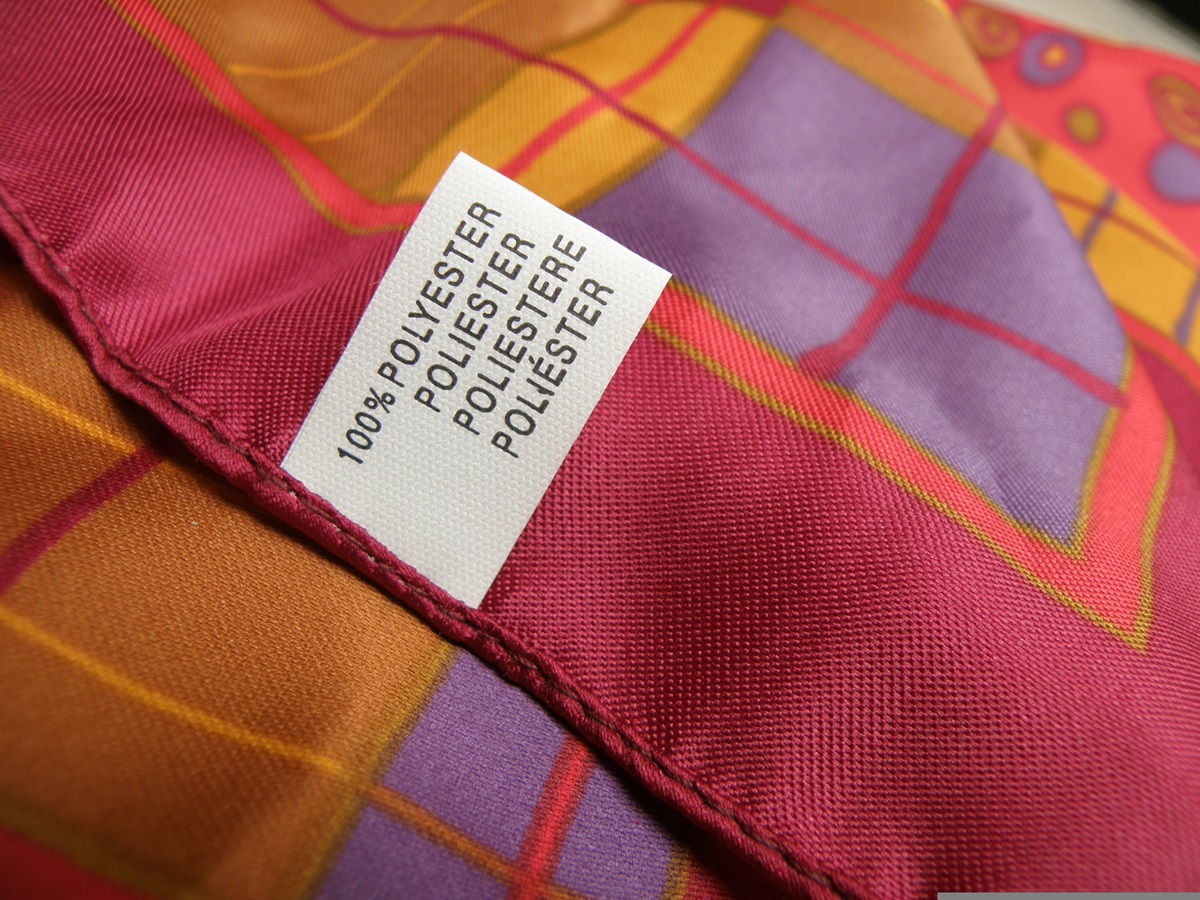
A new study shows that supercritical carbon dioxide can be used in polyester textile recycling, to handle waste with different colors.
One major challenge in textile recycling today is the handling of mixed, coloured waste. In conventional textile color removal, both reductive and oxidative chemicals are widely used. Dyes are either chemically degraded (oxidized or reduced) or extracted into a liquid phase and separated as waste, meaning they are no longer present in the textile system.

Photo: University of Borås
– Reductive stripping commonly involves sodium hydrosulfite (Na₂S₂O₄) and sodium sulfite (Na₂SO₃), often used with sodium hydroxide (NaOH) to break dye–fiber interactions and reduce dye chromophores, says study leader Mohammad Neaz Morshed from the Department of textile technology at the University of Borås.
– Oxidative methods rely on chemicals such as hydrogen peroxide (H₂O₂), sodium hypochlorite (NaOCl), and ozone (O₃), which destroy dye molecules through oxidation. In advanced processes, advanced oxidation processes (AOPs) use combinations like O₃/H₂O₂ or Fenton systems (Fe²⁺/H₂O₂) to generate highly reactive radicals that completely degrade dyes. Enzymatic treatments, using enzymes such as laccases and peroxidases, are also emerging as greener alternatives for dye degradation.
The new study represents a different approach. Polyester textiles of different colours are put in a high-pressure system with supercritical CO₂, which exhibits properties of both a gas and a liquid.
– While some supercritical CO₂ systems may include co-solvents or surfactants to improve solubility, this study emphasizes a process driven mainly by physical parameters such as pressure, temperature, and solubility, says Mohammad Neaz Morshed.
Through the process, dyes are redistributed between textiles rather than removed and discarded as in conventional decolorization processes. The study also shows that the fibre quality of the textile is preserved, which is important for the recycling process.
– Under supercritical CO₂ conditions, dye molecules temporarily desorb from the waste fabric. The molecules dissolve in the fluid and become mobile, allowing them to migrate between different polyester fabrics provided within the system. This transfer continues until a thermodynamic equilibrium is reached, resulting in all textiles acquiring a uniform, shared color.
After the textile treatment, the supercritical CO₂ is not consumed or released as waste. Instead, when the system pressure is reduced, CO₂ transitions back to its gaseous state and loses its solvent power. At this stage, the dyes remain fixed, redistributed on the textiles, while the CO₂ is separated, captured, and recompressed. It can then be reused in the same system again, allowing for very high recycling efficiency.
– This recyclability is one of the key advantages of supercritical CO₂ technology, as it significantly reduces emissions, eliminates wastewater generation, and minimizes the need for fresh resources compared to conventional aqueous textile processing.
The method has the potential to simplify the recycling of textiles by reducing the need for sorting textile waste by color, and by reducing the amount of chemicals used. The new method may have the potential to increase textile-to-textile recycling. It has, however, only been tested on a laboratory scale, and further studies are needed.
Read the study in the Journal of Supercritical Fluids here: Dry and chemical-free chromatic homogenization of mixed-colored waste polyester textiles using supercritical CO₂ – ScienceDirect